
Talking with Patience
Paper is more patient than man. (Anne Frank)

He’d come round next week, he said, to take a look and give me a quote for some garden maintenance work. He’d WhatsApp me the night before. But Friday teatime arrived with no message. And no visit.
The Workman’s Empty Assurance is a not uncommon trigger of impatience. You wait in, as hope that you’re on the way to getting something sorted withers hour by hour. And then nothing, not even an explanatory text. It’s not always the case, of course. The plumber who recently cured our malfunctioning toilet was equally faultless in keeping us informed of any delays.
Meanwhile, I was left steaming amid increasingly lush greenery. I cooled my frustration with a deep breath and WhatsApped my horticultural Lord Lucan, simply noting that I’d understood he’d be calling round this week. Was he still available or able to help ? Quickly a text came back: ‘Hi, really sorry. It will be next Tuesday. We had a family bereavement.’ I was glad I’d taken that deep breath.
Last month we explored the theme of Patience in my Way With Words journalling group. Without straying too far into garden metaphor, writing into our theme helped us dig deep into what it means beneath the vague generalisation of ‘I guess I ought to put up with stuff, but…‘
Looking at Patience from all angles, from dictionary definition to its poetic personification in Edith Wharton’s Patience , helped us ground this quality with some substance. Already insights were surfacing: the exercise of patience as more active choice than helpless passivity, and the pertinent question of Where does impatience cross over into intolerance?
We built environments designed around immediacy, and then our minds adjusted to the environments we created. ( The Quantum Model on Substack )
We explored what triggered our own impatience, seeking to discern any personal patterns. Are we most impatient with other people, with circumstances or with ourselves? What is fuelling our reaction - Loss of control? Anxiety? Past experience?
We wrote too about times and situations when we had been patient, about what that felt and looked like, and what had enabled us to exercise this quality. Patience could be empowered, we found, through attachment to other qualities: compassion, perseverance and perspective.
But our most engaging and fruitful writing was using the dialogue journalling approach to bring our patient and impatient selves into conversation with each other, either about a particular issue or in a more wide-ranging encounter.
A journaling dialogue is set out on the page like a play, as each side speaks in turn. Each can ask the other whatever they wish, and the other needs to answer honestly, even if the response is ‘I don’t know.’ Each asks non-judgmental questions of the other. These tend to be along the lines of What do you want to tell me? What do you need from me? How can we work better together? And each has something to offer. After all, as we noted, there are situations where it’s not appropriate to be patient.
This dialogue writing requires a little patience in itself. We wait, pen poised, for the next response or question to emerge. Our writing is reflective, slow, and may not produce an immediate conclusion. What does tend to happen, though, is a sense of release as we allow different parts of ourselves to have a voice. We may gain insight into how they might align within rather than clash. There can be a fresh peace, and insights about new ways through old problems. If you haven’t explored this approach, it’s well worth trying with any conflicting voices you are aware off within yourself. You could even try it with patience/impatience as we did.
Patience is the calm acceptance that things can happen in a different order than the one you have in your mind. ( David G. Allen )
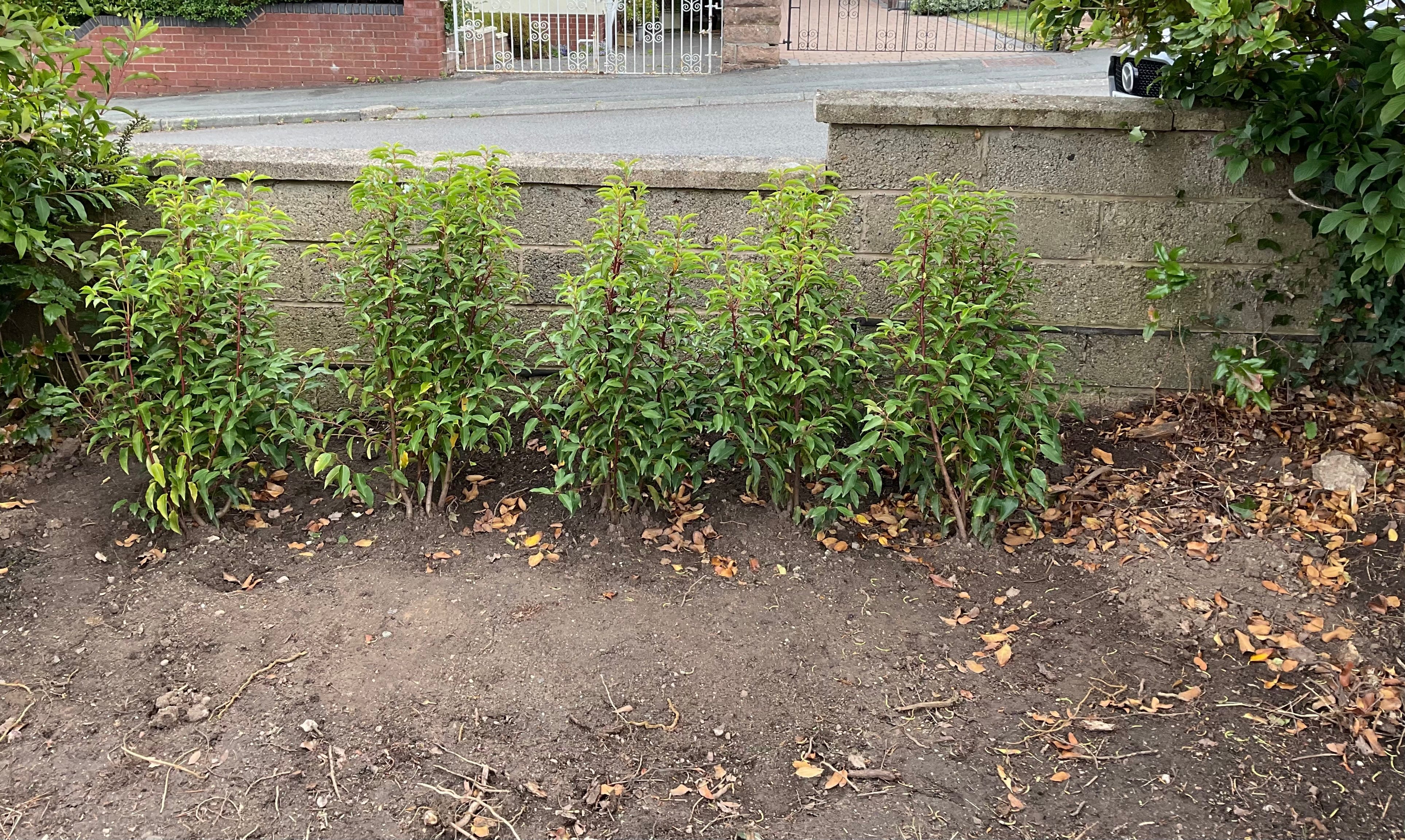
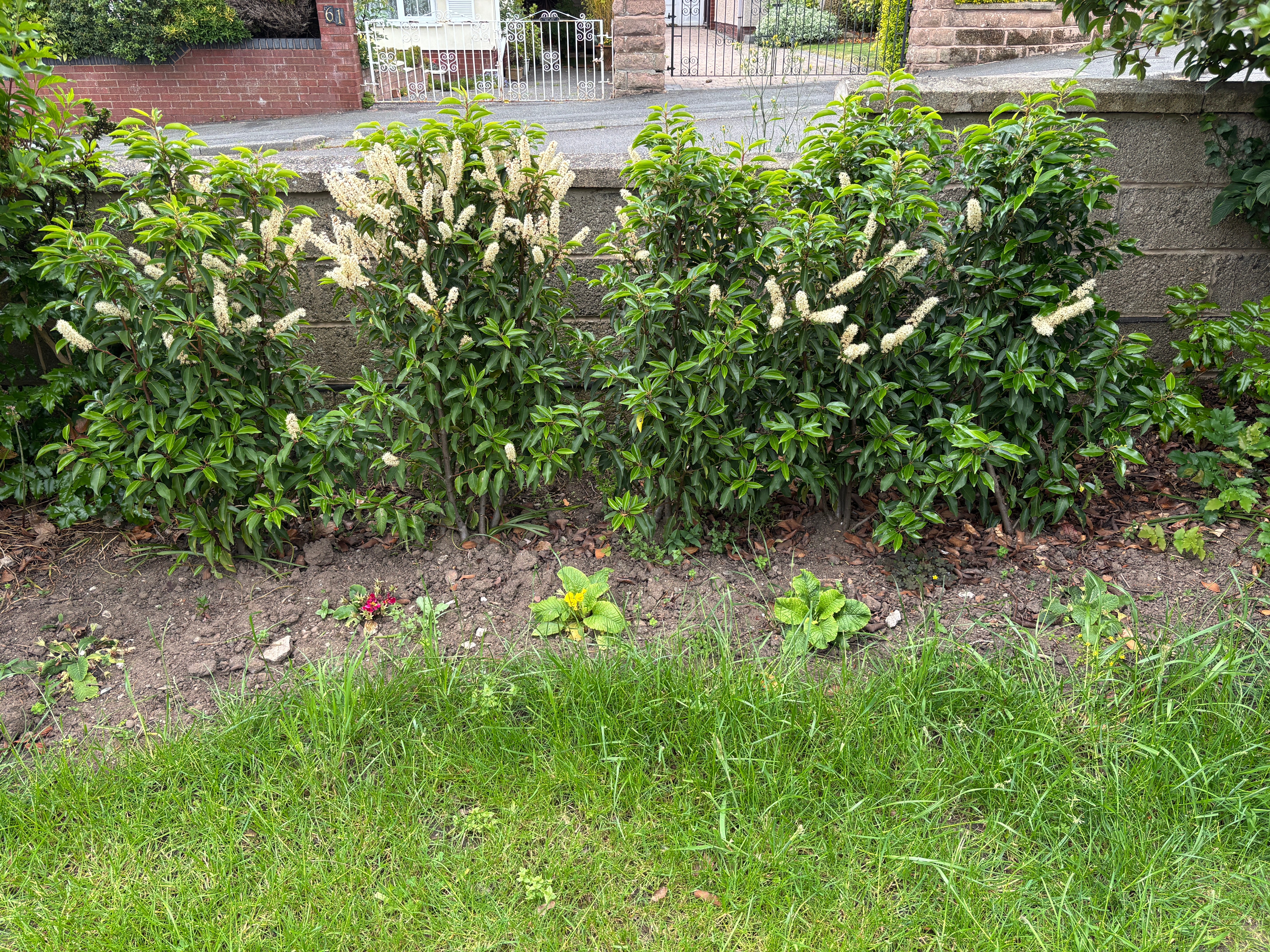
I was reminded afresh in this workshop of how patience involves letting go expectations of quick results and turning back into the present moment. It’s something I had to do when I planted some Portuguese Laurels in our front garden last year. In those early weeks, I watered and watched them like a hawk, anxious to see them grow. But they were in no rush, and I had to leave them be, content that they at least seemed to be surviving.
But this Spring, they have come into their own, growing like topsy - like the rest of the garden. It’s Monday. I’m exercising patience, aligned with hope for Tuesday, and the promised visit of the garden maintenance man.
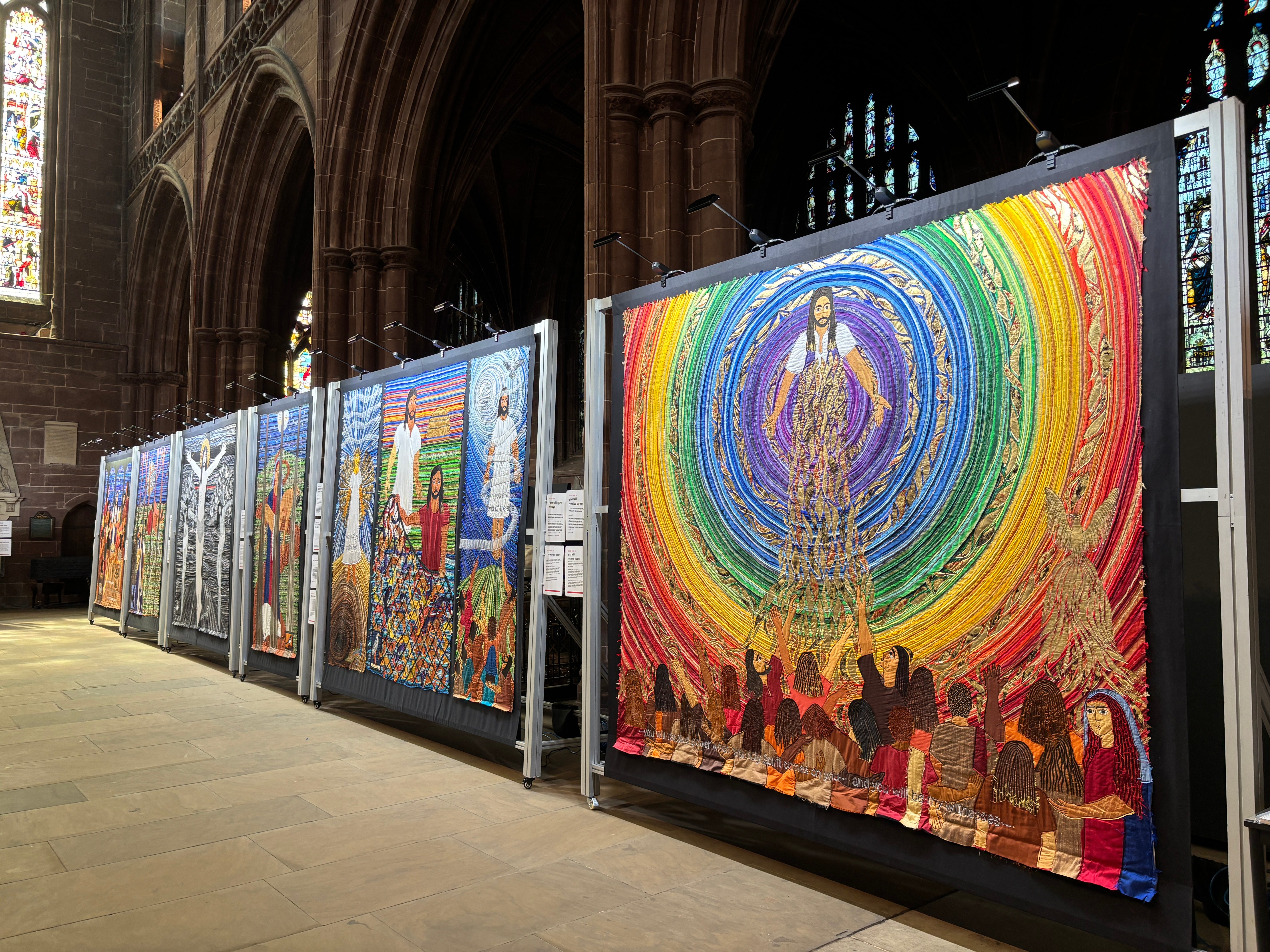
And talking of patience… The Threads through the Bible Exhibition currently at Chester Cathedral is a display of 44 textile panels created by one artist, Jacqui Parkinson over a period of 10 years, with 25 million stitches.
There are still spaces at our Poetry Day: Weaving with Words, as we write, edit and read poems inspired by this Exhibition, on June 27th. Find out more and book at Threads Poetry Reading
I didn’t know that Edith Wharton poem - thanks for the link. I love the dialogue journalling idea too. Looking forward to visiting the Threads exhibition and hope to make it to the poetry reading. X Doris
What an interesting process, journaling with two voices in conversation! I shall try it. I experience plenty of opportunities to be patient - or not.